
Sober Living vs. Inpatient Rehab: Which Comes First?
Choosing the wrong starting point is one of the most common mistakes in early recovery. Here's how to get the order right.

Inpatient rehab comes first. It provides the clinical treatment and medical support needed to stabilize. Sober living comes after — it's a structured, substance-free home where you practice what you learned in treatment while rebuilding daily life.
Table of Contents
If you’ve been searching for help – for yourself or someone you love – you’ve probably come across the terms “rehab” and “sober living” used almost interchangeably. It makes sense that they get confused. Both involve getting sober. Both involve some level of structure and support. But they are very different things, and understanding the difference could change the outcome of your recovery.
This article breaks down what each one actually is, how they typically fit together, and how to figure out which one makes sense as a starting point.
They Are Not the Same Thing, and That Matters
Here’s the simplest way to think about it:
Inpatient rehab is a clinical treatment program. You live at the facility. There is medical and therapeutic staff on-site around the clock. The focus is on stabilizing your health, addressing withdrawal if needed, and starting to understand why the addiction took hold in the first place.
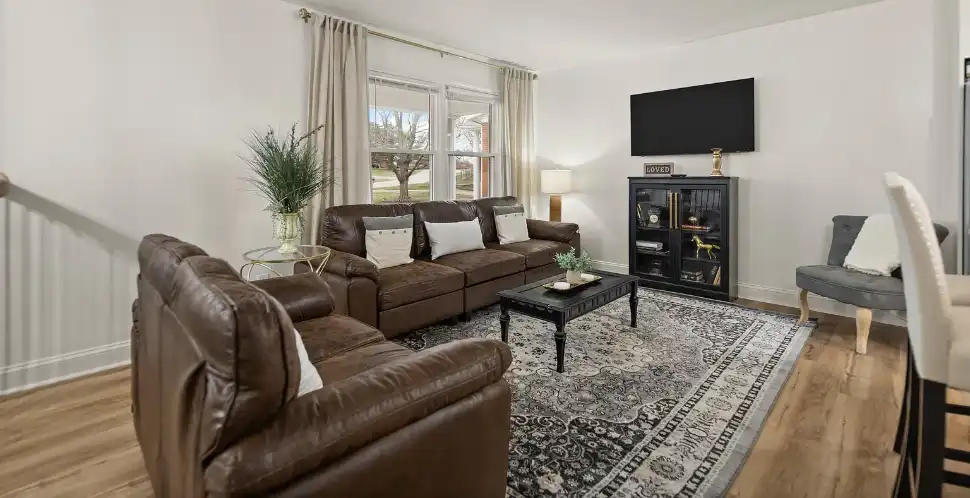
Sober living is a structured home — not a treatment program. You live there with other people in recovery, follow house rules, and maintain your sobriety day to day. There’s no clinical staff on-site. The focus is on accountability, routine, and learning how to live a normal life without substances.
One is treatment. The other is a safe place to practice what you learned in treatment. Both matter. They just serve different purposes at different stages.
The Typical Path Through Recovery and Why the Order Matters
Most people move through recovery in stages, and each stage builds on the one before it. A common progression looks like this:
1. Detox — If there’s a physical dependence, this comes first. Medically supervised withdrawal typically lasts between 3 and 10 days, depending on the substance and severity.
2. Inpatient or residential rehab — Intensive clinical care, usually lasting 28 to 90 days. This is where the deeper work happens: therapy, group sessions, building coping skills, and starting to understand patterns of behavior.
3. Intensive Outpatient Program (IOP) — A step-down from residential care, where you attend structured sessions 3 to 5 days a week but live at home or in a sober living house. This is where many people in Lexington land after completing inpatient treatment.
4. Outpatient Program (OP) — Continued therapy with more flexibility in scheduling. Life starts to look more normal here, but professional support is still in place.
5. Sober living — This can overlap with IOP or OP. It provides stable, substance-free housing and a peer community at a time when the temptations of going straight back home might be too much.
The reason this order matters is simple: sober living without treatment first often doesn’t hold. A structured house keeps you accountable, but it doesn’t help you understand why you were drinking or using in the first place. That work happens in treatment. Sober living is where you take those lessons and start applying them in real life.
So When Does Sober Living Actually Come In?
There are three common points where sober living becomes part of the picture:
After completing inpatient rehab. This is the most common path. You’ve finished residential treatment and you’re not quite ready — or it’s not quite safe — to go straight back to your old environment. Sober living gives you a bridge: you’re independent, but you’re not isolated, and the environment around you supports your recovery rather than threatening it.

During an IOP. Many people attend outpatient programming during the day and live in a sober home at night. This combination works well because it removes the risk of going back to a household or neighborhood that’s tied to old habits, while still letting you build toward independence.
After a relapse. If someone was living on their own and slipped, sober living can act as a reset without requiring a full return to inpatient care. It adds structure and accountability at a moment when both are needed.
Can You Skip Inpatient and Go Straight to Sober Living?
This is a fair question, and the honest answer is: sometimes, yes — but it depends on where someone is in their addiction and recovery.
Sober living without prior inpatient care may work if:
- There’s no severe physical dependence that requires medically supervised detox
- The person has completed prior treatment in the past and is returning to structured support
- They’re actively enrolled in an outpatient or IOP program and need stable housing to make it work
Sober living alone is not enough if:
- The person hasn’t yet addressed what’s driving the substance use
- They need medical supervision during withdrawal
- There’s an untreated mental health condition alongside the addiction — what’s often called a dual diagnosis
The clearest way to frame it: sober living is a housing solution with structure built into it. It is not a substitute for clinical treatment. If someone needs treatment, putting them in a sober home without it is like putting a bandage over something that needs surgery. It might hold for a while, but it’s not addressing the problem.
What Sober Living in Lexington, KY Actually Looks Like
There’s a perception problem around sober living that’s worth addressing directly. A lot of people picture a halfway house — crowded, run-down, not somewhere you’d actually want to spend time. That’s not what most sober living homes look like today, and it’s not what structured sober living in Lexington looks like.

A well-run sober living home has clear house rules, regular drug testing, curfews, and shared responsibilities. It also has something harder to manufacture: a community of people who are all trying to do the same thing you are. That peer connection is genuinely valuable, especially in the early months when isolation is one of the biggest risks.
Altruism Counseling operates two sober living homes in Lexington – Chloe’s House on W 6th Street and Louden House on E Loudon Ave – both designed to offer that kind of stable, accountable environment close to outpatient services.
How Treatment and Sober Living Work Together at Altruism
At Altruism Counseling, outpatient treatment and sober living aren’t two separate things you have to figure out independently. They’re designed to work alongside each other.
Someone coming into the program can attend IOP or outpatient sessions while living in one of Altruism’s sober living homes. The admissions team helps assess where someone is in their recovery and what combination of support makes the most sense — whether that’s starting with outpatient care, moving into sober living, or doing both at once. Case management support is part of that process, so nobody has to navigate the logistics on their own.
It’s a continuum, not a checklist. The goal is to meet people where they actually are, not where recovery is supposed to look on paper.
Not Sure Where to Start?
If you’re trying to figure out the right next step – for yourself or someone you care about — the most useful first move is usually a professional assessment. It takes the guesswork out of it. A psychosocial assessment can help identify what level of care is actually needed, whether that’s inpatient, outpatient, sober living, or some combination.
Getting assessed doesn’t commit you to anything. It just gives you a clearer picture of what’s going on and what kind of support would actually help.
You can call Altruism Counseling directly at 859-310-6505, or schedule a consultation online. The team can walk you through the options and help you figure out where to start.
FAQ – Common Questions & Clear Answers
Does sober living come before or after rehab?
In most cases, sober living comes after inpatient rehab. Rehab provides the clinical treatment and stabilization needed first, while sober living gives you a structured, substance-free environment to practice those skills as you transition back to daily life.
Can you go to sober living without going to rehab first?
In some situations, yes — particularly if there’s no severe physical dependence and the person is enrolled in an outpatient or IOP program. But sober living is a housing solution, not a replacement for clinical treatment. A professional assessment can help determine the right starting point.
What is the difference between sober living and inpatient rehab?
Inpatient rehab is a 24/7 clinical treatment program where you live on-site and receive supervised medical and therapeutic care. Sober living is a structured, substance-free home where you live while continuing outpatient treatment or transitioning back to independence — without on-site clinical staff.
