
Sober Living vs Halfway House: What's the Difference?
Not sure whether sober living and halfway houses are the same? Read on to understand the key differences and find the right fit.

A sober living house is a voluntary, peer-supported residence for people in recovery with minimal clinical oversight. A halfway house is typically government-funded, court-mandated, and transitional housing for people leaving incarceration or state-funded treatment. They serve different populations for different reasons.
Table of Contents
People often use these terms interchangeably, but they are not the same thing. The difference between a sober living vs halfway house matters because each serves a different purpose, follows different rules, and supports different stages of recovery. Understanding sober living vs halfway house options can help individuals and families make informed decisions about what comes next after treatment, incarceration, or a court-mandated program.

What Is a Sober Living House?
If you have ever wondered what is a sober living house, the simplest answer is that it is a private, peer-supported residence designed for people committed to maintaining sobriety. Residents choose to live there voluntarily and pay rent, much like they would in any shared housing arrangement.
Unlike a treatment center, sober living does not provide clinical services on-site. Instead, it offers a structured environment that supports recovery through accountability and healthy routines.
Common features include:
- Drug- and alcohol-free living environments
- Curfews and house expectations
- Chores and shared responsibilities
- Attendance at recovery meetings
- Peer support and accountability
Residents are generally free to work, attend school, participate in outpatient treatment, and manage their daily lives while remaining connected to a recovery-focused community. Several common assumptions about sober living, including who it is for and what it costs, are worth clearing up before going further.
What Is a Halfway House?
A halfway house is a form of transitional housing for addiction recovery or reintegration that is typically funded by government agencies, nonprofit organizations, or corrections programs. Unlike sober living, entry is often tied to a legal requirement, treatment discharge plan, or other formal placement process.
Many people searching what is a halfway house are dealing with a legal or court-related situation. In Kentucky, for example, halfway houses are frequently connected to drug courts, corrections programs, or state-supported recovery initiatives.
Halfway houses often provide:
- Structured supervision
- Mandatory counseling or programming
- Employment assistance
- Life skills training
- Case management support
Residents usually have less privacy and flexibility than those in sober living. The length of stay is often determined by court requirements, program guidelines, or discharge plans rather than personal preference.
According to the SAMHSA recovery housing framework, recovery housing exists on a spectrum of support levels, with different housing models serving different recovery needs.
Sober Living vs Halfway House: A Side-by-Side Comparison
| Feature | Sober Living House | Halfway House |
|---|---|---|
| Entry | Voluntary | Often court-ordered or program-required |
| Funding | Private, resident-paid | Government, nonprofit, or state-funded |
| Clinical Oversight | None on-site, peer accountability | Structured supervision and programming |
| Length of Stay | Flexible | Often fixed by program or court |
| Freedom of Movement | Can work and come and go within house rules | More restricted, especially early on |
| Designed For | Individuals choosing recovery housing after treatment | Individuals leaving incarceration or state-funded programs |
| Cost | Weekly or monthly rent | Usually low cost or no cost |
The key distinction is choice and structure. A sober living residence is something a person voluntarily selects as part of their recovery plan. A halfway house is often a placement tied to legal obligations, corrections systems, or formal treatment requirements.
Why the Terms Get Confused and Why It Matters
Part of the confusion comes from history. Years ago, “halfway house” was commonly used as a broad term for nearly any type of recovery housing. Over time, specialized recovery residences evolved, creating the distinctions we see today.
Media coverage and popular culture still use the terms interchangeably, which adds to the misunderstanding.
The difference matters because eligibility requirements differ. Someone required to live in a court-mandated halfway house may not be allowed to substitute a private sober living residence. Likewise, someone looking for voluntary recovery housing may not qualify for a halfway house placement.
Choosing the wrong option can create unnecessary delays and confusion during an already important transition period.
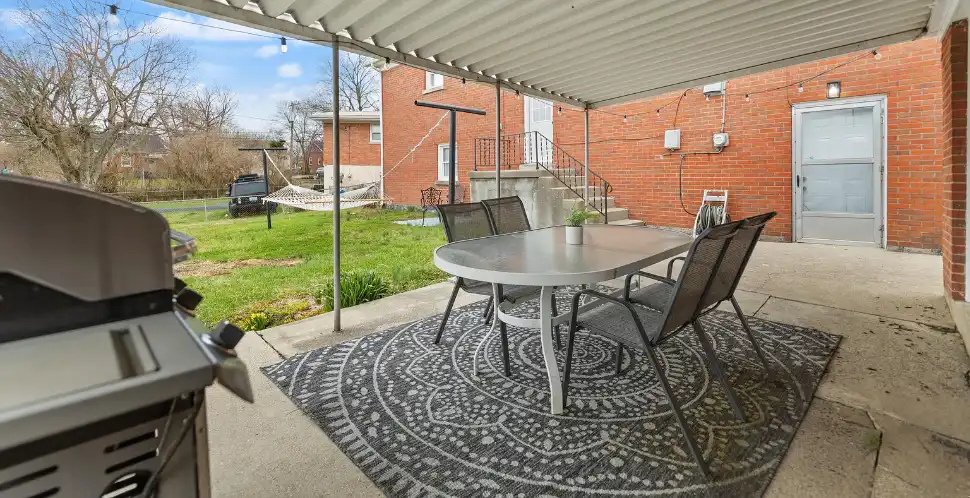
Which One Is Right After Rehab or IOP?
For most people leaving residential treatment, outpatient care or an intensive outpatient program, a sober living environment is the natural next step. It offers additional support while allowing residents to rebuild independence and establish healthy routines in real-world settings.
For most people weighing sober living vs halfway house after completing treatment, the practical question is whether they need voluntary recovery support or a structured placement connected to legal or program requirements.
A sober living home is often the better fit when someone is:
- Completing rehab or IOP
- Returning to work or school
- Building long-term recovery habits
- Seeking accountability without intensive supervision
A halfway house is often more appropriate when someone is:
- Leaving incarceration
- Completing a drug court requirement
- Exiting a state-funded residential program
- Required to participate in structured programming
If you are still deciding on the appropriate level of care before transitional housing, comparing outpatient and inpatient treatment options can help clarify your path. Understanding where sober living fits within the broader recovery journey can also make the decision easier.
What Sober Living Costs in Kentucky and How to Pay for It
Cost is one of the most common concerns for people exploring recovery housing.
In Kentucky, sober living residences typically charge between $100 and $200 per week, although costs vary based on location, amenities, and services. Because residents pay rent directly, sober living operates differently from publicly funded housing models.
By comparison, halfway houses are often funded through government agencies, nonprofit organizations, or corrections programs, resulting in little or no direct cost to residents.
For a more detailed look at funding options, including scholarships, sliding-scale programs, and other resources, individuals should explore available payment assistance programs within their community.
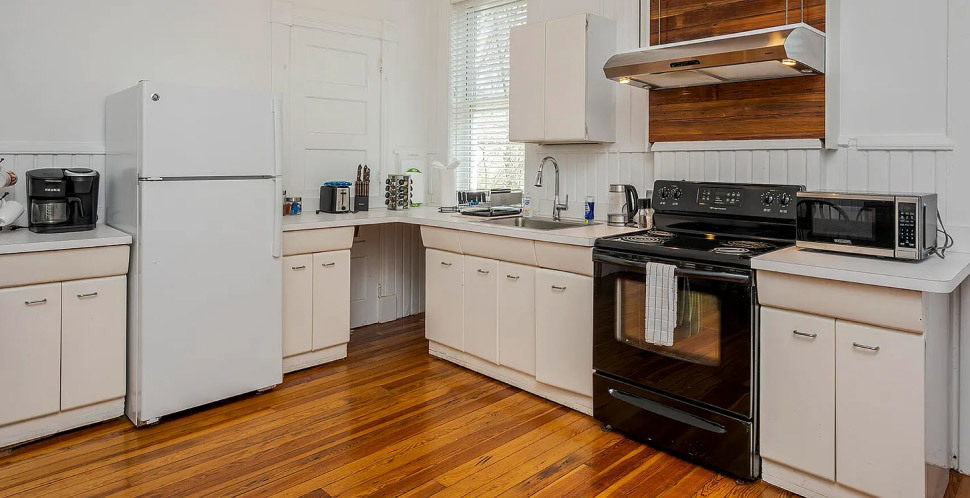
Sober Living in Lexington, KY
For individuals seeking recovery housing in Central Kentucky, sober living can provide the accountability and stability needed after treatment. A voluntary, peer-supported environment helps bridge the gap between structured care and independent living.
If you are considering recovery housing and want guidance on your options, a sober living program integrated with outpatient and intensive outpatient services may offer the support you need to continue building a strong foundation for long-term recovery.
Conclusion
Sober living vs halfway house is more than a terminology question. The differences affect who qualifies, what daily life looks like, how long someone stays, and how housing is funded. Understanding the distinction allows individuals and families to choose the option that best fits their recovery goals, legal requirements, and stage of life.
FAQ – Common Questions & Clear Answers
What is the main difference between a sober living house and a halfway house?
A sober living house is a voluntary recovery residence, while a halfway house is often connected to court requirements, corrections programs, or state-funded treatment.
Is a sober living house less restrictive than a halfway house?
Generally, yes. Sober living residents typically have more independence, while halfway houses often include stricter supervision, curfews, and mandatory programming.
Who should choose a sober living house instead of a halfway house?
People leaving rehab, outpatient treatment, or IOP who want recovery support without legal requirements usually benefit more from sober living.
Can a halfway house and a sober living home offer the same recovery support?
Both promote sobriety and accountability, but halfway houses usually provide more structured oversight, while sober living focuses on peer support and independent recovery.
