
Is Mixing Prescription Drugs with Alcohol Dangerous for Your Body?

Table of Contents
Many people drink alcohol while taking prescribed medications without fully understanding the risks. For some, it happens unintentionally. Others may have a drink in a social setting after taking daily prescriptions, assuming it is harmless. In reality, mixing prescription drugs with alcohol can be dangerous, as it changes how the body absorbs and processes both substances. At Altruism Counseling Services, our Kentucky rehab professionals explain the physical effects, common drug interactions, and practical prevention strategies to help reduce the risks associated with mixing alcohol and prescription medications.
Why Mixing Prescription Drugs with Alcohol Is Risky
Mixing prescription drugs with alcohol is risky because both substances affect how the brain and body function. Alcohol acts as a depressant on the central nervous system, slowing breathing, reaction time, and coordination.
Many prescription medications, especially those used for pain, anxiety, sleep, or mental health conditions, work on the same systems. When combined, their effects can compound, increasing the risk of extreme drowsiness, confusion, slowed breathing, or loss of consciousness.
Alcohol can also disrupt how medications are processed in the body. It may interfere with how a drug is absorbed, broken down by the liver, or cleared from the system. In some cases, alcohol can reduce a medication’s effectiveness, making treatment less reliable.
In others, it can amplify the drug’s effects to dangerous or even life-threatening levels. Certain combinations can trigger severe reactions, including overdose, organ damage, or unexpected side effects, even when medications are taken as prescribed.
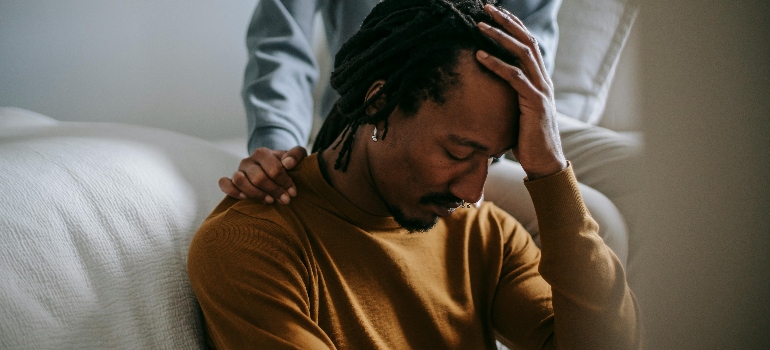
How Alcohol Interacts with Common Prescription Drugs
To understand the risks more clearly, it helps to look at how alcohol interacts with specific categories of prescription medications.
Painkillers and Sedatives
Painkillers and sedatives depress the nervous system. Additionally, many popular painkillers contain more than one ingredient that can react with alcohol.
The result of mixing these meds with alcohol can include extreme drowsiness, slowed breathing, impaired judgment, and overdose risk. The most dangerous are combinations of opioids or benzodiazepines with alcohol, as there is a higher chance of fatal respiratory suppression.
Antidepressants and Anti-Anxiety Medications
Alcohol can significantly interfere with both prescription and over-the-counter antidepressants and anti-anxiety medications. When combined, alcohol may increase side effects such as dizziness, drowsiness, impaired coordination, and slowed reaction time, raising the risk of accidents or injury.
Beyond the physical effects, alcohol can also undermine the purpose of these medications by worsening anxiety, intensifying depressive symptoms, and contributing to mood instability.
In some cases, mixing alcohol with these medications places additional strain on the liver and other organs, increasing the risk of long-term health complications.
Antibiotics and Antihistamines
Drinking while taking antibiotics and antihistamines can weaken medication effectiveness but also increase nausea, dizziness, and dehydration, and irritate the stomach lining. A more severe consequence is liver strain. Overall, mixing prescription drugs with alcohol can be dangerous because it slows healing, delays recovery, and prolongs illness symptoms.
Diabetes and Blood Pressure Medications
Alcohol disrupts glucose regulation and blood pressure stability. When combined with diabetes or hypertension medications, it can cause abnormally low blood sugar levels and flushing reactions (e.g., nausea, vomiting, headache, rapid heartbeat, and sudden changes in blood pressure), as well as symptoms of nausea and weakness.

Physical Effects on the Body
Mixing alcohol with prescription drugs places a strain on multiple body systems at once, increasing the risk of serious complications.
Organs and systems at the highest risk are:
- Liver: Overload and toxicity from processing both substances simultaneously.
- Heart: Elevated blood pressure and increased risk of arrhythmia.
- Brain: Cognitive impairment, slowed reflexes, confusion, and additional damage in case of alcohol blackouts.
- Digestive system: Stomach irritation, bleeding, nausea, and vomiting.
- Immune system: Reduced ability to fight infections and heal efficiently.
Psychological and Behavioral Consequences
Beyond physical harm, mixing prescription drugs with alcohol can be dangerous because it significantly affects the mind and behavior. On the cognitive level, the combination of substances impairs judgment, leading to risky decisions, accidents, and unsafe driving.
As for the emotional aspect, the regulation often worsens, leading to heightened anxiety, depression, mood swings, or irritability.
Over time, regularly mixing alcohol with medications can create or strengthen unhealthy coping patterns, increasing the risk of dependence and addiction.
Signs You May Be at Risk
Several warning signs can indicate that intentional or accidental mixing of medicines and alcohol is having dangerous consequences. Symptoms of harmful interaction may include severe drowsiness or confusion, dizziness, fainting, or slurred speech, as well as unexpected mood swings or memory lapses.
These symptoms should not be ignored. Take them as a clear signal to stop mixing substances and seek medical support urgently.
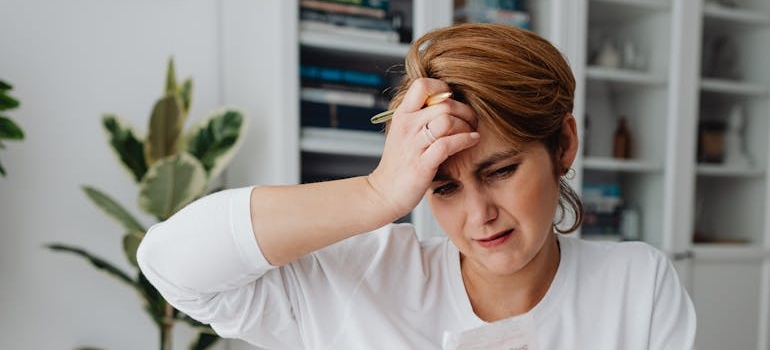
What to Do If You’ve Mixed Alcohol with Prescription Drugs
If you have used prescription drugs taken in combination with alcoholic beverages, stop drinking immediately and avoid taking any additional medication doses. Reach out to your healthcare provider for guidance, and, in the meantime, keep yourself hydrated.
If you are experiencing severe symptoms such as trouble breathing, confusion, fainting, or chest pain, seek emergency care. And if this is not a single occurrence but rather a pattern, professional addiction treatment can provide structured support and safety.
Preventing Dangerous Interactions
You can do several things to prevent experiencing the dangerous consequences of combining drugs and alcohol.
- Read all prescription labels carefully. Typically, medication labels have explicit alcohol warnings that are easy to overlook.
- Ask your doctor or pharmacist about alcohol restrictions. Clarify whether drinking is safe while taking a new medication.
- Avoid self-medicating or sharing prescriptions. Any use outside of medical guidance increases interaction risks.
- Utilize medication tracking apps to maintain consistency and safety. This is how you can keep yourself informed about medication intake and prevent missed doses, double dosing, and unsafe combinations.
When to Seek Professional Help
There are several reasons to seek professional assistance if you have mixed alcohol with medications. As mixing prescription drugs with alcohol can result in many medical complications, experiencing any of the symptoms that imply a health risk is a sign to reach out to professionals.
Additionally, if the use continues despite health consequences, it might be a sign of dependence development, which will require assistance and guidance from drug rehab centers in Lexington KY.
Resources such as alcohol treatment centers in Lexington KY, can provide structured, medically informed care to those who struggle with drinking. Rehab options may include medical detox, counseling, or longer-term recovery support.
Avoid Mixing Prescription Drugs With Alcohol
Mixing prescription drugs with alcohol can be dangerous because this combination poses serious risks to your body and mind. With the right support, however, you can overcome the consequences of such a mix. Awareness, careful adherence to medical guidance, and prevention are essential for long-term health and well-being.