
From Misdiagnosis to Addiction: 10 Dangers of Self Medication Explained
Self medicating might feel like a quick solution, but the hidden risks can affect your health in ways you don’t expect. Take a moment to learn how to protect yourself.

Table of Contents
When a person uses drugs or home remedies without professional guidance, we call it self medicating. Those who take this road often do so feeling that this is an easier way to manage symptoms. However, there are many dangers of self medicating. At Altruism Counseling Services, we encourage making educated and well-informed decisions supported by accurate, science-based information. In this article, you will learn details about the 10 dangers of self medication.
What Is Self Medication and Why Do People Do It?
Self medication means using drugs, remedies, or substances without medical guidance and supervision. When people do it, it’s often because it feels convenient (e.g., saves money or time). It’s not unusual for people to take antibiotics without a prescription, use sedatives to fall asleep, or rely on daily painkillers to push themselves through stress or fatigue.
However, over time, these habits can create bigger problems, including developing substance tolerance. This can push you to take more of the medicine for the same effect and, eventually, guide you into an addiction. What begins as a quick fix can quickly escalate and bring about many issues and dangers.
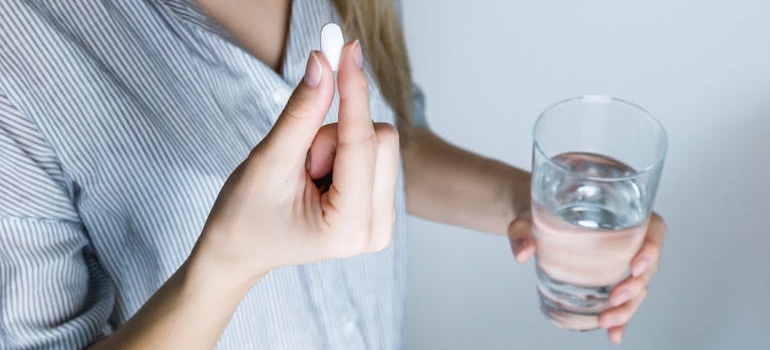
10 Dangers of Self Medication Explained
Popping a pill here and there to ease your problems might seem risk-free, but it carries serious and sometimes life-changing dangers. Understanding each danger can help you make safer, informed decisions about your health. This section breaks down all 10 dangers of self medication.
1. Misdiagnosis and Delayed Treatment
If you’re treating yourself without medical evaluation, you might be targeting the wrong problem. Your choices might mask important symptoms and delay adequate care. These delays can allow serious illnesses to progress, making recovery harder and longer, as well as more expensive.
2. Drug Interactions
Accidental or intentional polydrug use is one of the very serious potential dangers of self medication. Mixing medications on your own, whether they are over-the-counter drugs, prescriptions, or herbal supplements, between themselves or with alcohol, can result in unpredictable and harmful interactions. These interactions can trigger numerous bodily reactions like rapid heartbeat, dizziness, or organ strain (e.g., liver).
3. Incorrect Dosage
Another major risk is related to guessing how much medication to take. While using too little means only that the drug won’t work, using too much of it can lead to toxicity and, in extreme cases, an overdose. Repeated use of inadequate dosages can lead to dependency and addiction, ultimately requiring drug rehab in some cases.
4. Antibiotic Resistance
One of the most serious risks of self-medicating with antibiotics is developing resistance to them. Any type of misuse, including taking them for viral illnesses, stopping too early, or using leftover doses, creates bacteria that can no longer be treated easily. This then contributes to longer, more severe infections and overall increases health risks.
5. Masking Serious Conditions
Medicines you self-initiatively take might mask a serious issue. Painkillers can hide chronic conditions, infections, or inflammatory diseases. Symptoms getting covered up repeatedly means that the underlying problem continues to grow unnoticed, making future treatment more complicated.

6. Dependency and Addiction
The pattern of self medication can quickly turn into a serious matter, as experimenting with drugs can lead to addiction. You might start relying on substances to regulate your emotions or escape stress. Repeated substance use disrupts brain chemistry and increases drug tolerance. This situation can quickly turn into an addiction.
7. Organ Damage
Long-term medication use impacts the liver, kidneys, and stomach. Drugs like acetaminophen, ibuprofen, and even certain antibiotics can damage these organs when used too often or in high doses. This can further turn into a permanent health issue.
8. Allergic Reactions
Another one of the dangerous consequences of self medication appears when individuals take new drugs without knowing their allergies. Allergic reactions can range from mild symptoms (e.g., rashes) to life-threatening ones (e.g., swelling or breathing difficulties). When medication intake is not controlled, identifying the cause of these symptoms becomes harder and delays proper treatment.
9. Financial and Emotional Toll
While it might offer a temporary solution, self medication can also cause stress. You may feel overwhelmed as symptoms persist or worsen, believing you must handle it alone. Self medicating often gives a false sense of control, resulting in greater frustration when health issues escalate rather than being resolved. Additionally, all the guessing and trying can be financially challenging.
10. Worsening Mental Health
Uncontrolled self medicating can intensify underlying mental health issues, such as worsening anxiety or depression, or triggering other mental health issues. Instead of relief, people often end up feeling more emotionally unstable and less capable of managing daily stress.
How to Avoid the Risks of Self Medication
All of the 10 dangers of self medication can be avoided or at least significantly reduced if you take steps to make well-informed decisions. Working with trained professionals ensures that treatment matches your needs. Here are several things you could do to successfully and safely manage your symptoms.
- Consult a physician before starting any medication
- Avoid advice from unverified online sources and social media platforms
- Meticulously follow prescribed doses and complete every medication course
- Keep updated notes on all medications and supplements to prevent harmful combinations
- Seek medical attention if symptoms worsen rather than adding new meds on your own

When to Seek Professional Help
Many people overlook the early dangers of self medicating, which can be very damaging. What seems like an easy solution in the beginning might turn into a serious matter. Watching for the signs of drug addiction is essential to prevent the escalation of drug use problems.
For those looking to help a loved one struggling with drug use, learning how to help a drug addict can be life-saving. Open conversations, offer your support, and point them to experts in the matter. Professionals can address the growing dangers of self medication and guide your loved ones to a healthier and safer future.
Awareness That Protects Your Health
The 10 dangers of self medication warn you about severe risks you can expose yourself to by not seeking professional support. Proper diagnosis and professional care protect your long-term health. If you’re unsure about your symptoms or medication use, reach out to Altruism Counseling Services for guidance and support.