
Alcohol Related Dementia Symptoms, Causes, and Treatment Options

Alcohol-related dementia is a form of cognitive decline caused by long-term heavy alcohol use, often worsened by brain toxicity and thiamine (vitamin B1) deficiency. Common symptoms include memory loss, confusion, impaired judgment, personality changes, and coordination problems, which typically progress from mild cognitive issues to severe loss of independence. While the condition is not usually fully reversible, early alcohol cessation, nutritional rehabilitation, and medical care can stabilize symptoms and allow partial cognitive recovery.
Table of Contents
Alcohol related dementia is a serious, yet often overlooked, consequence of long-term excessive drinking. It can be confused with some cognitive changes due to normal aging and, therefore, ignored. However, memory loss and cognitive decline stemming from alcoholism are medically recognized conditions. Learning what is alcohol related dementia and what its stages are helps individuals and families seek timely support from rehabs in Lexington Kentucky, before consequences escalate.
What Is Alcohol Related Dementia?
What is alcohol related dementia? Alcohol-related dementia is a form of cognitive decline caused by prolonged, heavy alcohol use. Studies show that chronic alcohol misuse accelerates brain aging and contributes to cognitive impairments. This type of dementia differs from others (such as Alzheimer’s) in its direct cause and some symptom patterns.
Alcohol related dementia is basically caused by brain changes due to drinking. According to epidemiological studies, these effects lead to an earlier onset of dementia alcohol related compared to other types of dementia.
Chronic alcohol consumption can lead to brain shrinkage and disrupt neurotransmitters. However, poor nutrition often accompanies alcoholism as well. A lack of thiamine (vitamin B1), common in chronic alcohol use, is a key contributor, as it is essential for brain energy and function.

Common Symptoms of Alcohol Related Dementia
Symptoms often develop gradually and vary from subtle signs to more disruptive ones. Symptoms can mirror other dementias, but typically include:
- Memory loss and confusion, particularly with recent events or conversations.
- Difficulty with planning, judgment, and problem-solving, making even simple tasks overwhelming.
- Personality changes and mood instability, including increased apathy, irritability, or depression.
- Trouble with coordination and balance, reflecting alcohol’s effect on the cerebellum.
Several factors pose a risk for developing this medical issue and experiencing its particular symptoms.
Causes and Risk Factors
The primary cause of alcohol related dementia is direct neurotoxicity from alcohol. While there are studies that controversially discuss alcohol as a protective factor when taken in small doses, there is not enough proof for that.
Chronic heavy alcohol use damages brain cells and white brain matter. As alcohol impairs the liver’s functions, toxin filtering is reduced, further damaging the brain. Thiamine deficiency, related to poor nutrition characteristic of heavy alcohol consumers, also harms the brain.
Overall health will be a contributing factor as well, influencing your individual vulnerability. Biological factors such as age and sex contribute to this vulnerability. Research shows that, for instance, men have a lower risk of alcohol-related dementia than women.
What Are the Stages of Alcohol Related Dementia
Understanding what are the stages of alcohol related dementia helps in recognizing progression and reacting on time.
While they are not always linear, alcohol related dementia stages generally include:
- Early stage: Subtle short-term memory lapses and mild confusion.
- Middle stage: More pronounced memory gaps, clear personality shifts, significant difficulties with reasoning, and physical unsteadiness.
- Advanced stage: Severe cognitive impairment, profound memory loss, inability to perform daily tasks, and loss of independence.
Many factors impact progress through stages, including an individual’s drinking history, age, and overall health. This is why these factors, among others, are subject to evaluation.
How Is Alcohol Related Dementia Diagnosed
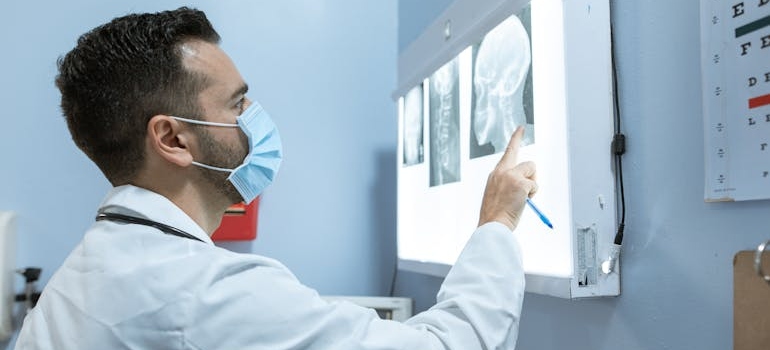
A critical question is how is alcohol related dementia diagnosed. Early medical evaluation is essential, and there are several ways to go about it.
- A thorough review of alcohol use history and nutritional status can determine the risk factors.
- Cognitive testing and memory assessments can evaluate the level of impairment.
- Brain imaging (e.g., CT or MRI) can identify physiological changes, such as brain shrinkage.
- Neurological exams can assess physical symptoms and issues.
As symptoms overlap with other dementias, diagnosis often requires ruling out other conditions. This process is supported by specialists at neurological clinics or alcohol treatment centers with medical expertise.
Can Alcohol Related Dementia Be Reversed
Can alcohol related dementia be reversed? The answer is nuanced. A better question is, can you reverse alcohol related dementia completely? Oftentimes, the answer is not entirely. However, physical recovery after alcohol abuse can lead to some cognitive improvement, especially with early professional intervention.
Research shows that there is a potential for partial recovery if abstinence is achieved and maintained. Stopping alcohol use should be combined with aggressive thiamine supplementation and proper medical and nutritional care, as this can not only stabilize symptoms but also reverse some of them.
Treatment Options for Alcohol Related Dementia
Effective management of dementia related to alcoholism requires a comprehensive therapeutic approach. A well-rounded treatment focuses not only on alcohol cessation (which is the absolute foundation) but also works on equipping you with tools that will help you care for your health long-term.
When needed, medical detox can be part of the treatment, ensuring a safe withdrawal. Nutritional rehabilitation and high-dose vitamin therapy (especially thiamine) should be an important element of a holistic approach.
Cognitive support and structured routines help re-establish mental clarity, especially when mental health problems appear alongside addiction and require dual diagnosis treatment. Addiction treatment and ongoing recovery care are essential for lifelong, sustainable results.

When to Seek Professional Help
Several signs imply you need professional support. If you observe progressive memory loss, confusion, or personality changes (in yourself or a loved one with a history of heavy drinking), it is time to act.
Dementia alcohol related requires professional intervention. Experts can help address both the cognitive decline and the underlying alcohol use disorder. They will ensure long-term stabilization and a better quality of life.
A Call for Informed Action
Alcohol related dementia is a serious medical condition, but its course is not inevitable. Early recognition and intervention are the most powerful tools for change. Turning to professionals for help is the safest way to address this issue before it escalates. We at Altruism Counselling Services encourage you to seek professional guidance if you recognize symptoms of dementia related to alcoholism. Healing is possible with the right support.
FAQ – Common Questions & Clear Answers
How is alcohol-related dementia different from normal age-related memory loss?
Normal aging may involve mild forgetfulness, such as misplacing items or occasionally struggling to recall names, but it does not significantly interfere with daily functioning. Alcohol-related dementia, on the other hand, involves progressive cognitive decline linked directly to long-term alcohol use. Symptoms often include impaired judgment, difficulty planning or problem-solving, personality changes, and coordination problems that go beyond typical aging and worsen without intervention.
Can someone develop alcohol-related dementia without drinking every day?
Yes. Alcohol-related dementia is associated with long-term patterns of heavy or binge drinking, not just daily alcohol use. Repeated episodes of excessive drinking over many years can damage brain cells and disrupt nutrient absorption, particularly thiamine. Even periods of abstinence between heavy drinking episodes do not fully protect the brain from cumulative damage.
Can alcohol-related dementia affect younger adults?
Yes. While alcohol-related dementia is more common in older adults, it can also occur in younger individuals with long histories of heavy alcohol use. Prolonged exposure to alcohol-related brain toxicity and nutritional deficiencies can accelerate cognitive decline, sometimes leading to symptoms in people under 60. Early-onset cases are often overlooked or misattributed to stress or mental health conditions, which delays diagnosis and treatment.
