
Life Skills You Learn in a Therapeutic Rehabilitation Program

Life skills you learn in a therapeutic rehabilitation program include building daily routines, improving communication, managing stress, handling responsibilities, and strengthening decision-making. These skills help you regain independence, stay consistent in recovery, and handle real-life situations with more confidence and stability.
Table of Contents
Starting recovery can feel uncertain, especially when daily life feels hard to manage. You may wonder how to rebuild routines, handle stress, or stay consistent. That is where the life skills you learn in a therapeutic rehabilitation program begin to matter. These programs focus on real situations you face every day, not just therapy sessions. You learn how to communicate better, manage your time, and take care of responsibilities. At the same time, you start building habits that support long-term change. Many rehab centers in Lexington KY offer this kind of structured support, which helps you feel more prepared outside of treatment. Progress does not happen all at once, yet small steps add up. With the right skills, daily life becomes more manageable, and recovery starts to feel more possible and stable over time.
What Are Life Skills In A Therapeutic Rehabilitation Program
Life skills are the everyday actions that help you manage your life with more control. You learn how to handle stress, communicate clearly, and take care of basic responsibilities. These skills are practical, and they connect directly to real situations you face. In a Lexington therapeutic rehabilitation program, the focus stays on helping you rebuild structure step by step.

You are not expected to change everything at once. Instead, you practice small habits that grow over time. The life skills you learn in a therapeutic rehabilitation program help you feel more stable. They also give you tools you can rely on when life feels uncertain or overwhelming.
Core Life Skills You Learn In A Therapeutic Rehabilitation Program
Building daily skills takes time, yet it starts with simple steps you can practice every day. In a structured setting, you learn how to handle real situations with more control. These core skills support your routine, relationships, and choices. Over time, they help you feel more stable, focused, and prepared for life outside treatment.
Building A Consistent Daily Routine
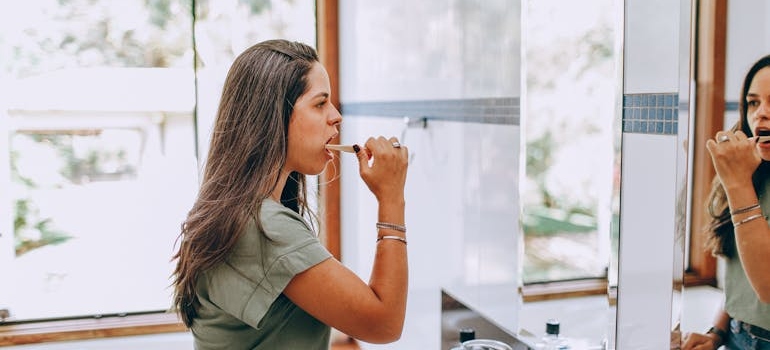
A steady routine helps you feel more in control each day. You wake up, eat, attend sessions, and rest at set times. At first, this structure may feel strict, yet it builds stability. Over time, your body and mind adjust, and daily tasks feel less overwhelming. This is where therapeutic rehabilitation program life skills start to shape your habits.
You begin to rely less on impulse and more on routine. That matters in life after rehab, when structure is not handed to you. Small actions, repeated daily, create progress. Even simple habits like making your bed or planning your day help you stay grounded and focused on recovery.
Managing Time And Responsibilities
Managing your time can feel difficult when everything seems urgent at once. You may avoid tasks or feel stuck deciding what to do first. Still, learning life skills in rehab helps you break things into smaller steps. You start to plan your day with purpose and follow through. This is a big part of life skills in therapeutic rehabilitation program settings. These habits help you handle real responsibilities with more confidence:
- Daily planning: Write simple tasks so your day feels clear and manageable.
- Priority setting: Focus on what matters most instead of trying to do everything.
- Time blocking: Set short periods for tasks to avoid burnout and distraction.
- Accountability: Check in with someone who supports your progress and goals.
- Follow-through: Finish small tasks to build trust in yourself again.
Improving Communication And Boundaries
Communication can feel tense, especially if trust has been affected. You may avoid hard talks or react quickly without thinking. In a therapeutic rehabilitation program for life skills, you practice speaking in a calm and clear way. You also learn to listen without feeling defensive. Over time, you understand your needs better and express them with honesty.
Setting boundaries becomes part of your daily life, not something to fear. You learn when to say no and when to step back. These changes help protect your energy and relationships. With practice, your words become more direct, and your actions match what you truly need.
Handling Stress In Healthy Ways
Stress does not disappear in recovery, but your response to it can change. You may feel tension in your body or racing thoughts during hard moments. Instead of reacting right away, you learn to pause and notice what is happening. This is where coping skills for addiction recovery become part of your routine.
Through life skills training in addiction recovery, you try simple tools like breathing, walking, or talking to someone you trust. These steps may seem small, yet they help you stay grounded. Over time, you feel less controlled by stress and more able to handle it without turning to harmful habits.

Making Better Decisions In Difficult Moments
Hard moments can feel intense, especially when emotions run high. You may feel pressure to react quickly or fall into old patterns. Still, learning to pause can change everything. You start to think through your choices instead of acting on impulse. This is a core part of learning life skills in rehab.
You ask yourself what outcome you really want and what choice supports it. Over time, you build trust in your judgment again. Even when decisions feel hard, you learn to slow down and stay grounded. That shift helps you protect your progress and stay focused on long-term recovery goals.
How These Skills Are Taught In Treatment
Learning these skills does not happen through lectures alone. You practice them in real time, with support and feedback. You try new ways of thinking and acting in a safe space. Programs like group therapy in Lexington KY help you learn from others and share your experiences. This makes the process feel more real and less isolating. The life skills you learn in a therapeutic rehabilitation program become easier through repetition and support:
- Group practice: Share situations and learn how others handle similar challenges.
- Role-playing: Act out real scenarios to build confidence before facing them outside.
- Daily structure: Follow a routine that teaches consistency and accountability.
- One-on-one support: Get feedback that helps you adjust your approach.
- Skill reinforcement: Repeat simple habits until they feel natural and steady.
Applying Life Skills Outside Of Treatment
Using these skills outside treatment can feel challenging at first. You may face stress, pressure, or unexpected situations. Still, the tools you practiced help you respond in a calmer way. Support like cognitive behavioral therapy Lexington KY centers offer can guide you as you adjust. You start to notice your thoughts and change how you react.
Daily routines, clear communication, and better choices begin to carry into your real life. Progress may feel slow, yet it is steady. Each time you use a skill, you build confidence. Over time, these actions become part of your normal routine, helping you stay focused and grounded in recovery.

Common Challenges While Learning Life Skills
Learning new habits takes effort, and it can feel frustrating at times. You may feel stuck or unsure if you are improving. That is part of the process, and it does not mean you are failing. These challenges are common, and you can work through them with support:
- Feeling overwhelmed: Too many changes at once can make it hard to stay focused.
- Lack of confidence: Doubting yourself can slow progress and create hesitation.
- Old habits: Past patterns may feel easier, even when they are not helpful.
- Inconsistency: Missing routines can make it harder to build steady progress.
- Frustration: Progress may feel slow, which can affect your motivation and patience.
How Life Skills Support Long-Term Recovery
Long-term recovery depends on what you do each day, not just what happens in treatment. Life skills give you a clear path to follow when things feel uncertain. You learn how to stay organized, manage stress, and handle challenges without turning to old habits.
These changes build stability over time. You begin to trust your decisions and feel more in control of your life. Progress may not always feel fast, yet it adds up. Each skill you practice helps you stay consistent. With time, these habits support a healthier routine and make it easier to maintain recovery in real-life situations.
Get Help Today And Start Learning Skills That Last
Recovery takes time, and progress often shows up in small, steady changes. The life skills you learn in a therapeutic rehabilitation program give you tools you can use every day. You start handling stress better, keeping routines, and making clearer choices. Over time, these changes help you feel more stable and in control. Setbacks can happen, yet they do not erase your effort. What matters is staying consistent and using the support around you. You are not expected to figure everything out at once. Each skill you build helps you move forward, one step at a time. If you feel ready to take that step, reach out to us today!
FAQ – Common Questions & Clear Answers
What are life skills in a therapeutic rehabilitation program?
Life skills are practical abilities that help you manage daily life. These include communication, time management, problem-solving, emotional control, and basic responsibilities like work or self-care.
How do life skills support recovery?
They help you stay organized, handle stress, and make better choices. As a result, you can build a routine, reduce triggers, and stay focused on long-term recovery goals.
How long does it take to learn these skills?
It depends on your progress and needs. Some skills improve in weeks, while others take longer. Consistent practice and support make a big difference over time.
