
How Personality Changes When Drinking Alcohol Impacts Decision-Making and Impulse Control
Why do decisions feel easier, bolder, or riskier after drinking? Exploring how alcohol changes personality and impulse control can bring clarity to moments you may later regret.

Table of Contents
Many experience a personality change when drinking alcohol, resulting in shifts in behavior, judgment, and self-control. Even a small alcohol personality change can lead to risky or impulsive decisions and behavioral changes that impact your life. Experts from rehabs in Lexington Kentucky, can help you understand why alcohol changes your personality and how these changes shape your choices, reactions, and safety.
Why Alcohol Changes Personality in the First Place
Alcohol is a central nervous system depressant that alters normal communication between neurons. Its impact leads to reduced inhibitions, weaker emotional regulation, and impulsive reactions.
It might seem like there is a personality change when drinking alcohol, as even small amounts cause temporary shifts in confidence, sociability, irritability, or aggression. Such shifts significantly impact decision-making, judgment, and risk assessment while and after drinking.
So, can alcohol change your personality? The answer is yes, but to a certain extent.

The Link Between Altered Personality and Poor Decision-Making
Many people ask, “Does alcohol change your personality?” because the choices people make when intoxicated feel faster, bolder, and less filtered. This is because drinking lowers inhibitions, distorts risk perception, and makes you emotional rather than logical, all of which impact decision-making.
Lowered Inhibitions Lead to Faster, Riskier Choices
Alcohol reduces the brain’s ability to pause before acting. This, coupled with lowered inhibition, increases impulsivity and reduces caution.
Things might feel urgent, pushing you to make fast decisions without considering consequences. You might make riskier choices regarding spending money, communicating in a harmful way, or continuing to drink past intended limits.
Distorted Risk Perception
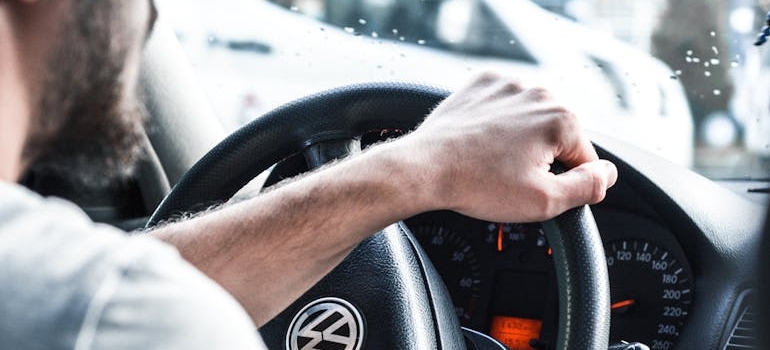
Even a small amount of alcohol alters how the brain evaluates danger, which explains, for instance, why driving becomes unsafe even after one or two drinks. You might feel “fine,” while in reality, your judgment quietly deteriorates.
You might evaluate a situation as safe even when it’s not, or trust your skills and abilities when they are evidently impaired. Paired with the fact that drinking harms executive functions, you are becoming a danger to yourself and others.
Emotional Decisions Instead of Logical Ones
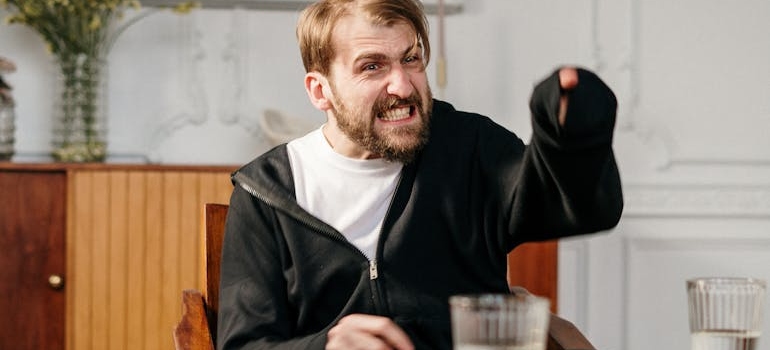
Personality change when drinking alcohol is often caused by a switch from a rational oversight to emotional reactivity. Due to the connection between alcohol and anger, many actions are guided by this emotion rather than by logic.
Sadness or excitement can also push your choices. Your decisions are reactive and shaped by mood instead of long-term thinking.
How These Changes Affect Impulse Control
Research shows that personality traits associated with impulsivity influence alcohol use, but when talking about the connection between alcohol and personality changes, we are more interested in how drinking impacts impulsivity.
Alcohol weakens the brain’s self-regulation systems by slowing the prefrontal cortex, the area responsible for pause, control, and decision-making. When alcohol lowers inhibitions, you will struggle to stop once initiated behavior.
You will continue drinking, entering arguments, spending money, and taking risky actions. Urges will feel harder to resist, and your behavior will be difficult to control. All of this explains why alcohol changes your personality during moments that require taking a break to think about the long-term consequences of actions.
Real-Life Behaviors Influenced by Alcohol-Related Personality Shifts
The link between alcohol and personality changes can quickly become evident in everyday situations and behaviors. A person under the influence can seem as if they are acting out of character in the moment, but their actions carry real consequences.
The changes occurring when you’re drinking reduce self-monitoring and increase emotional reactions, especially in social or high-pressure settings.
Some of the usual patterns include:
- Saying things you would normally filter or keep private. Once sober, you might regret things spoken. Still, your relationships are likely to suffer some damage.
- Engaging in arguments or confrontations. This can be explained by lowered patience and heightened emotional reactivity.
- Risky driving or unsafe decisions behind the wheel are common as you become overly confident while your judgment declines.
- Overspending, impulsive texting, or risky sexual behavior driven by weakened impulse control
- Difficulty recognizing escalating situations, making it harder to take a break, step away, or de-escalate conflict
These everyday situations and challenges showcase why it’s important to recognize alcohol-induced personality changes. While the behaviors are temporary, they can have long-term consequences impacting more than just yourself.
Early Warning Signs That Personality Changes Are Affecting Judgment
Spotting early signs that your judgment is being impaired can help prevent problems from escalating. Your friends or family may be the first to notice mood swings, sharper reactions, or uncharacteristic risk-taking after drinking. You might feel “like a different person” after alcohol, making you question whether alcohol can alcohol change your personality.
An important warning signal is feelings of regret after drinking, as well as apologizing for words or actions. Other signs to be mindful of are repeatedness and escalation of impulsive patterns, including risky driving, confrontations, or poor financial choices.
If these changes become predictable rather than occasional, alcohol may have a stronger impact than you think.
How to Recognize Unhealthy Patterns
To recognize whether you are exhibiting unhealthy behavioral patterns, track your thoughts, emotions, and actions when sober and when drinking. Tracking changes over time can reveal consistent shifts and potentially uncover underlying issues.
Meta-analysis findings show that conscientiousness and agreeableness often decrease with alcohol consumption, which helps explain why people act more egoistically and confrontationally after drinking.
Identifying triggers such as stress, social pressure, or certain environments can help you address them before they cause negative consequences.
Even subtle personality shifts deserve attention, especially when they repeat. A pattern of alcohol-induced personality changes is a sign of growing risk. If drinking is a means to escape reality, you will benefit from structured support, including alcohol rehab Lexington KY, as it can help you address the underlying issues.
Making Safer Choices Through Self-Awareness.
Personality change when drinking alcohol can quietly take over your life by distorting judgment, impulse control, and risk awareness. Your work, relationships, and everyday life can suffer. It’s essential to observe behavioral patterns, emotional reactions, and repeated consequences, as it can help you make choices that will prevent problems from escalating. Use them as tools and resources to protect your well-being.