
Common Misconceptions About Sober Living Houses
Uncover the truth about sober living houses and clear up misunderstandings to make informed decisions for your recovery journey.

Table of Contents
If you’re exploring recovery options for yourself or someone you care about, chances are you’ve come across the term sober living house. And just as likely, you’ve heard some mixed opinions about them. From a belief that they’re just unregulated group homes to assumptions that they’re only for people who’ve hit “rock bottom,” misconceptions about sober living houses can create unnecessary fear or hesitation.
The truth is, sober living homes play an immense role in bridging the gap between intensive treatment and full independence. They offer a safe, structured environment that supports long-term sobriety, often as a follow-up step to care received at an rehab center in Kentucky.
To clear the air around these establishments, we’ll walk you through some of the most common myths, explain where they come from, and share the real story behind what these homes provide.
Misconception #1: Sober Living Homes Are Just Like Rehab Facilities
A common misunderstanding is that sober living homes operate the same way as inpatient rehab facilities. But while both serve important roles in the recovery process, they’re not the same thing.
Inpatient rehab facilities offer highly structured, medically supervised treatment. Residents follow a strict daily schedule that typically includes therapy sessions, support groups, and wellness activities. These programs are designed for those in the early stages of recovery, especially when medical detox or intensive support is needed.
Sober living homes, on the other hand, come into play after that initial phase. They don’t provide clinical treatment on-site. Instead, they offer a stable, substance-free environment where individuals can begin rebuilding their lives with more freedom and flexibility. Residents can usually come and go as they please, hold a job, attend school, and manage their schedules, while still following house rules and participating in regular drug testing or peer support meetings.
Misconception #2: Sober Living Homes Are Only for Severe Cases
Another common misconception about sober living houses is that they’re only meant for people with the most extreme or long-term addictions, those who have ”hit rock bottom,” so to speak.
The reality is that anyone in recovery can benefit from sober living, regardless of how far their substance use progressed and whether they are recovering from drug use or completing an alcohol rehab in Kentucky. What ties them all together, though, is their shared commitment to staying clean and rebuilding a healthier life.
Misconception #3: There’s No Real Accountability
Some people assume sober living homes are laid-back environments where anything goes, but that couldn’t be further from the truth.
These homes indeed offer more freedom than inpatient treatment, but they’re still built on a foundation of structure and accountability.
Residents are expected to follow house rules, which often include curfews, assigned chores, mandatory attendance at recovery meetings, and a commitment to staying substance-free. Regular drug testing is also common, which helps maintain a safe, sober environment for everyone.
Beyond rules, accountability is reinforced through community. Many homes encourage or require residents to participate in peer support groups or counseling sessions, thereby creating space for open conversation and shared responsibility.

Misconception #4: Sober Living Homes Lack Privacy and Comfort
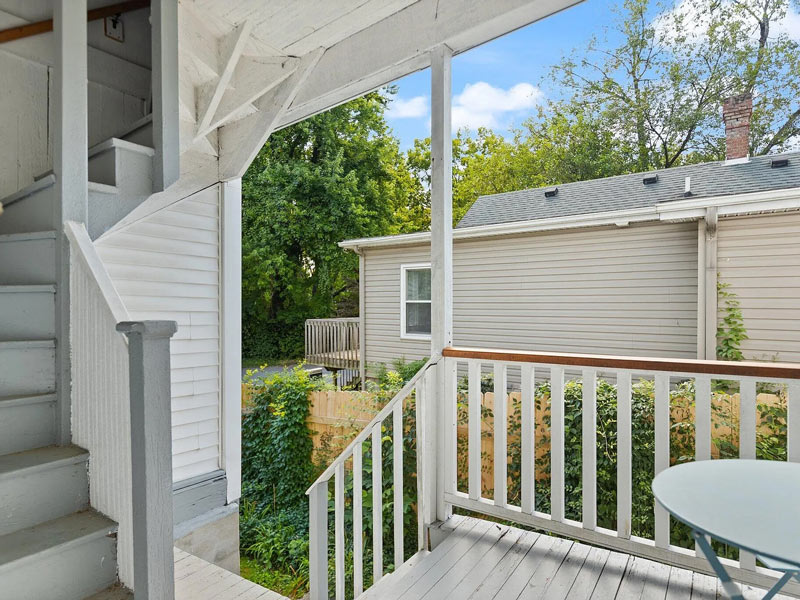
It’s easy to picture a sober living home as a crowded, bare-bones group house with little to no privacy. This outdated idea couldn’t be further from what most modern sober living environments actually offer.
Depending on the home, residents may have the option of a private or semi-private room, and the living areas are often clean, modern, and welcoming.
You’ll also find homes that feature amenities, such as:
- Fully equipped kitchens,
- Laundry facilities,
- Outdoor spaces,
- Quiet areas for reflection or remote work.
The goal is to create a peaceful, home-like atmosphere where residents feel safe, supported, and respected.
Misconception #5: Residents Don’t Gain Practical Life Skills
Some people think sober living is just about staying sober, but it’s much more than that.
One of the biggest benefits of these homes is the opportunity to build real-world life skills that support long-term recovery and independent living.

In these environments, residents are encouraged (and often required) to take responsibility for daily routines and decisions. That might mean sticking to a schedule, contributing to household chores, preparing meals, or managing personal finances like rent and groceries.
This approach equips them with skills concerning:
- Budgeting and money management
- Time management and accountability
- Effective communication and conflict resolution
- Personal hygiene and household upkeep
Misconception #6: Sober Living Homes Are Isolated from Community
Some imagine sober living homes as secluded or cut off from the outside world. But the truth is, they are often located in regular neighborhoods. In fact, you could be living next to a sober living home and never know it. This setup allows residents to re-engage with everyday life while still having a structured, supportive home base to return to.

Misconception #7: Residents Don’t Receive Professional Support
Another widespread myth is that once someone enters a sober living home, they’re completely on their own without any professional guidance.
In fact, most reputable sober living homes either provide or connect residents with ongoing professional services adapted to their personal situation.
These might include:
- Individual therapy or group counseling
- Case management services
- Access to medication-assisted treatment (MAT) when appropriate
- Peer support specialists who’ve walked a similar path
- Referrals to healthcare providers or job training programs
These services are either provided in-house or through close partnerships with local professionals and treatment centers.
Misconception #8: Sober Living Is Only Short-Term
Many people believe that sober living is just a brief stopover after rehab, a place to crash for a few weeks before heading back to everyday life.
While some residents stay for a few months, others might remain for six months, a year, or more. The length of stay depends on individual goals, progress in recovery, and personal circumstances. Some people may move out once they’ve secured steady employment, housing, or completed outpatient addiction treatment in Lexington KY, while others choose to stay longer for added stability and support.
In fact, research consistently shows that longer stays in sober living environments are linked to better outcomes, including reduced relapse rates and improved quality of life. This extended time gives residents a chance to fully adjust, develop healthy habits, and strengthen their coping skills before transitioning to independent living.
Misconception #9: Sober Living Is Unaffordable
One of the more persistent misconceptions about sober living houses is that they are too expensive or only accessible to people with significant financial resources. And while costs can vary depending on location and amenities, many homes are more affordable than people expect.
In fact, a lot of sober living houses accept multiple forms of payment, including private insurance, Medicaid, and out-of-pocket options. Some also offer sliding-scale fees based on income or provide payment plans to help make costs more manageable.
Additionally, case managers or intake coordinators often assist new residents with understanding their insurance coverage or finding financial aid.

Misconception #10: Family and Friends Cannot Be Involved
You enter a sober living home, and you aren’t allowed to contact your loved ones. Wrong!
Yes, each home has its own rules and boundaries. Needless to say, residents are typically allowed and even encouraged to stay in touch with supportive friends and family.
Some homes go even further by offering:
- Family therapy sessions or support groups
- Workshops to help loved ones better understand addiction and recovery
- Visiting hours and structured check-ins for families to stay informed and involved
Misconceptions About Sober Living Houses Are Just That – Misconceptions
As you’ve now seen, many misconceptions about sober living houses are rooted in outdated ideas or misunderstandings about what these homes really offer. In reality, they provide far more than just a roof over someone’s head. They offer a structured, supportive, and empowering space for individuals committed to long-term recovery.
So, if you or someone you love is transitioning out of rehab or looking for a stable next step, reach out to discuss options regarding sober living in Kentucky. We’ll help you build a strong foundation for lasting sobriety!