
Alcohol Detox at Home and the Risks People Don’t Expect

Alcohol detox at home carries serious risks because withdrawal can turn dangerous without medical care. Complications like seizures, dehydration, relapse, and untreated symptoms make professional supervision safer for many people.
Table of Contents
Trying to stop drinking can feel overwhelming, especially when you want relief fast. Many people consider alcohol detox at home because it sounds private and manageable. Still, withdrawal is not always predictable, and symptoms can change quickly. What starts as anxiety or shaking can become serious without warning. That risk often catches people off guard. At the same time, fear of judgment or cost keeps many from asking for help. This leaves you handling something that may need medical care. Knowing the risks helps you make safer choices. It also helps you see when support matters. Some people need more than willpower and rest. Medical teams and rehab facilities in Lexington KY exist for a reason. They watch symptoms, manage pain, and step in when things escalate. Learning what to expect can protect your health and your recovery.
Why Alcohol Withdrawal Can Turn Dangerous Fast
Stopping drinking puts your body under sudden stress. Alcohol changes how your brain and nerves work over time. When alcohol is removed, the body struggles to rebalance. That is why alcohol withdrawals can shift fast and without warning. Early signs may feel mild, yet serious symptoms can follow. Shaking, confusion, or a racing heart may appear within hours.

Seizures can happen even if you feel stable earlier. Many people try detox from alcohol at home, hoping rest will help. Still, the body does not reset on a schedule. Each hour can bring new symptoms. Fear often grows when changes feel out of control. Medical support matters because professionals watch patterns you cannot see. Quick care can prevent emergencies and lower long term harm during this stage.
Common Risks People Don’t Expect During Home Detox
Trying to manage how to detox from alcohol at home often feels doable at first. Many expect discomfort, but not danger. Symptoms can feel confusing and scary when they shift quickly. Without medical checks, problems may build quietly. People also underestimate how stress and fear affect the body during withdrawal. Knowing the risks helps you spot when help is needed before harm occurs:
- Seizures: Sudden brain activity changes can cause collapse without warning.
- Dehydration: Vomiting and sweating drain fluids fast and raise risk.
- Heart strain: Rapid pulse and blood pressure spikes stress the heart.
- Confusion: Mental fog can turn into panic or hallucinations.
- Relapse: Severe symptoms push many back to drinking for relief.
How Medical Detox in Rehab Protects Your Health
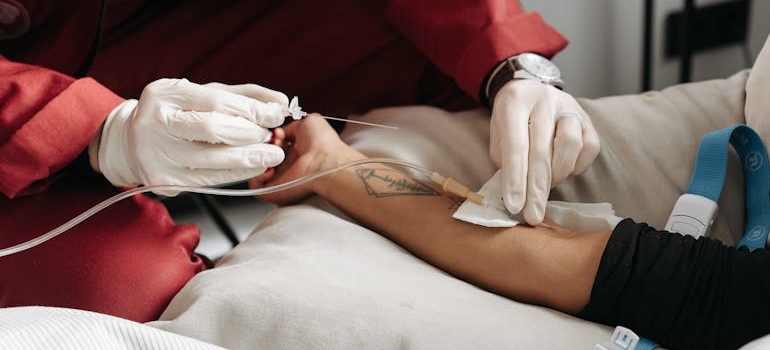
Medical detox offers safety when your body is under pressure. Doctors and nurses track symptoms around the clock. Medications ease pain and lower seizure risk. Fluids and nutrition support healing. That level of care matters when symptoms change fast. Many people who try at home alcohol detox feel relief once care begins.
Places offering alcohol rehab Lexington KY trusts focus on both comfort and safety. Staff adjust treatment as your body responds. This lowers fear and reduces medical risks. You also gain emotional support during a hard moment. Instead of guessing what is normal, you get clear answers. Medical detox builds a safer starting point for recovery and helps protect your long term health.
The Role of Professional Treatment After Detox
Detox clears alcohol from your body, but it does not fix the reasons behind drinking. That is where treatment matters. Counseling helps you handle stress and triggers. Group support reduces isolation. Some programs include holistic therapy in Lexington KY to support sleep, mood, and focus. People who attempt detoxing from alcohol at home often miss this step.
Without follow up care, relapse risk stays high. Treatment gives structure after the body stabilizes. You learn coping skills and build routines that support sobriety. This phase helps you stay grounded when cravings return. Long term recovery works best when detox and treatment work together.
When Alcohol Detox at Home Becomes Unsafe
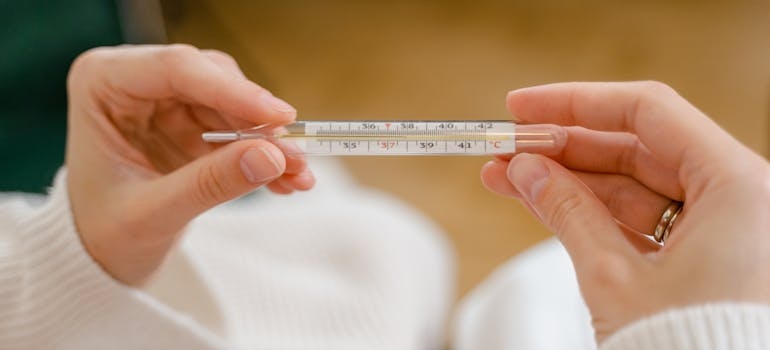
Many people ask how to alcohol detox at home and hope for the best. Safety depends on health history, drinking level, and past withdrawals. Warning signs mean home detox is no longer safe. Severe shaking, confusion, or fever signal danger. So do past seizures or heart issues.
At that point, care matters more than privacy. Centers like Lexington addiction center offer monitoring and fast response. People also wonder can you detox from alcohol at home safely. For some, risks are too high. Knowing when to seek help can prevent lasting harm and protect your life.
How Lack of Medical Care Increases Complications
Without medical care, withdrawal becomes harder to manage. Symptoms may spiral before help arrives. People trying how to safely detox from alcohol at home often miss early danger signs. Stress hormones rise and worsen symptoms. Fear can also push poor choices. Understanding these gaps shows why supervision matters:
- Delayed treatment: Waiting too long increases seizure and injury risk.
- Medication gaps: No access to drugs that calm the nervous system.
- Fluid loss: Vomiting leads to imbalance and weakness.
- Sleep loss: Poor rest worsens anxiety and confusion.
- Relapse pressure: Pain drives return to drinking for relief.
You Don’t Have to Handle Detox Alone
Choosing how to stop drinking is not just a personal decision. It is also a health decision. alcohol detox at home may feel easier, but risks often show up without warning. Symptoms can change fast, and pushing through alone can cause harm. That does not mean you failed. It means your body needs support. Reaching out can feel scary, yet it can also bring relief. Medical care helps manage withdrawal and lowers danger. Support also gives you space to focus on healing, not survival. If you feel unsure, that is a sign to pause and get help. You deserve care that keeps you safe. Recovery works best when your health comes first, and when you do not have to face it alone. Support can change outcomes and protect your future.
FAQ – Common Questions & Clear Answers
Can alcohol withdrawal be dangerous without medical supervision?
Yes. Alcohol withdrawal can cause seizures, heart problems, confusion, and severe dehydration. These symptoms can escalate quickly without medical monitoring.
How long do alcohol withdrawal symptoms last at home?
Symptoms often start within hours and peak in the first few days. Some effects, like anxiety and sleep problems, can last weeks.
Who should never attempt alcohol detox at home?
People with heavy drinking histories, past seizures, medical conditions, or mental health disorders should avoid home detox and seek supervised care.
